


.png)
Clinical Takeaways
- The Definition: "Unexplained Infertility" is a diagnosis of exclusion. It means standard tests (sperm analysis, ovulation check, HSG scan) have not found the cause — not that there isn't one.
- The Prevalence: Approximately 15–30% of couples seeking fertility care receive this diagnosis.
- The "Hidden" Causes: Common culprits include high sperm DNA fragmentation, silent endometriosis, and immunological factors often missed by basic testing.
- The Solution: We move from "observation" to "intervention." IUI and IVF are effective treatments because they bypass hidden barriers like fertilization defects or tubal transport issues.
There is perhaps no diagnosis in reproductive medicine more frustrating than "Unexplained Infertility."
Patients often come to us from other clinics feeling invalidated. They have spent months undergoing blood draws, ultrasounds, and semen analyses, only to be told: "Everything looks perfect." Yet, month after month, pregnancy does not occur.
I want to reframe this for you. "Unexplained" does not mean "all in your head." It simply means that the standard testing toolkit has reached its limit. It means the cause is molecular, subtle, or functional, rather than structural.
At Ovom Care, we don't stop at "unexplained." We dig deeper. Here is what is actually happening when the tests come back normal, and the strategic steps we take to overcome it.
The Diagnosis of Exclusion
To understand unexplained infertility, we must look at what "normal" testing actually covers. Standard fertility testing checks three main things:
- Ovulation: Are you releasing an egg? (Tests include blood progesterone / LH kits / basal body temp patterns)
- Anatomy: Are the fallopian tubes open? (Tests include Hysterosalpingogram (HSG) / Hysterosalpingo Contrast Sonography (HyCoSy))
- Sperm: Is there enough sperm moving? (Standard Semen Analysis)
If these are positive, you get the "Unexplained" label. However, human reproduction is complex.
Here are the four hidden factors that standard tests typically miss.
1. The "Silent" Male Factor (DNA Fragmentation)
A standard semen analysis looks at count (number of sperm) and motility (ability of the sperm to swim effectively). It does not look inside the sperm head at the genetic material that it carries.
The Science: A man can have "Olympic swimmer" sperm that carry damaged DNA. This is called High DNA Fragmentation. These sperm can fertilize an egg, but the embryo often stops developing around Day 3 or 5.
2. Fertilization Failure
We can see if an egg is released, and we can see if sperm is present. But inside the body, we cannot see if they actually meet and bind.
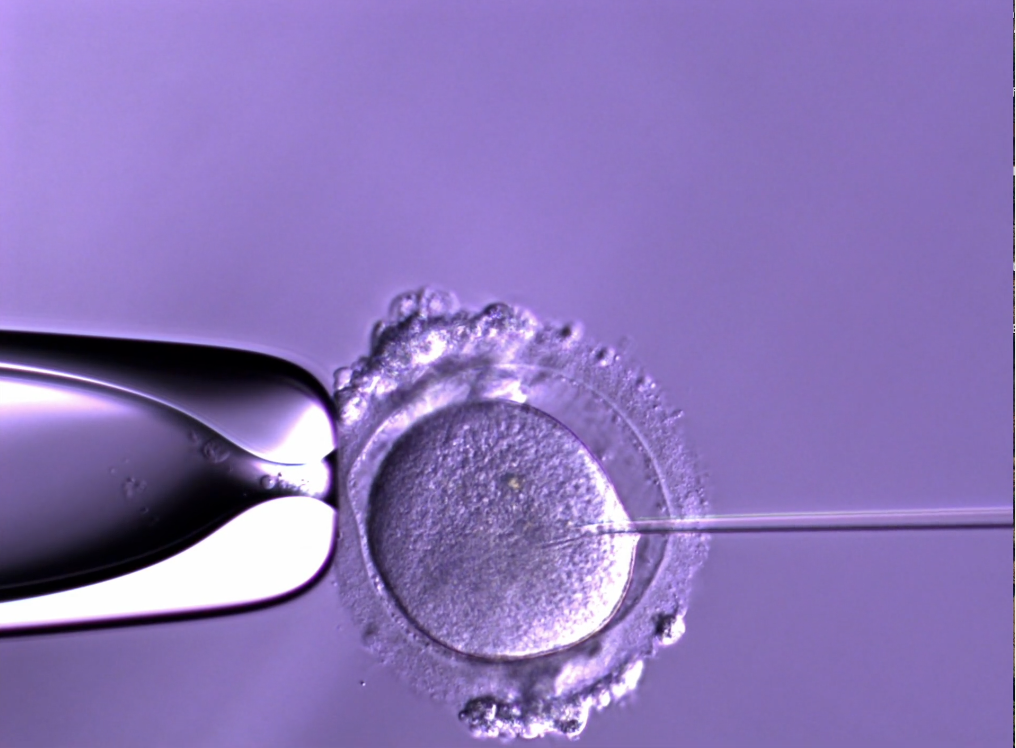
- The Science: Sometimes, the sperm lacks the specific enzyme to penetrate the egg's outer shell (zona pellucida). Or, the egg may have a "hardening" issue that prevents entry.
- The Solution: IVF is diagnostic as well as therapeutic. By moving fertilization to the lab, we can see if sperm are actually penetrating the egg.
3. Silent Endometriosis
Endometriosis is an often-painful condition in which tissue that is similar to the inner lining of the uterus grows outside the uterus. It often affects the ovaries, fallopian tubes and the tissue lining the pelvis.
Endometriosis is usually associated with pain, but "silent endometriosis" can exist without severe symptoms.
The Science: Even mild endometriosis creates an inflammatory environment in the pelvis. This "toxic" fluid can damage the egg or sperm as they travel through the fallopian tube, or prevent the embryo from implanting.
4. Implantation Issues (The "Soil")
Sometimes the seed (embryo) is healthy, but the soil (endometrium, or the mucous membrane lining the uterus, which thickens during the menstrual cycle in preparation for possible implantation of an embryo) is out of sync.
The Science: The "Window of Implantation" is the brief period when the uterus is ready to accept an embryo. For some patients, this window opens earlier or later than the textbook Day 21 of your menstrual cycle.
Moving from Testing to Treating Infertility
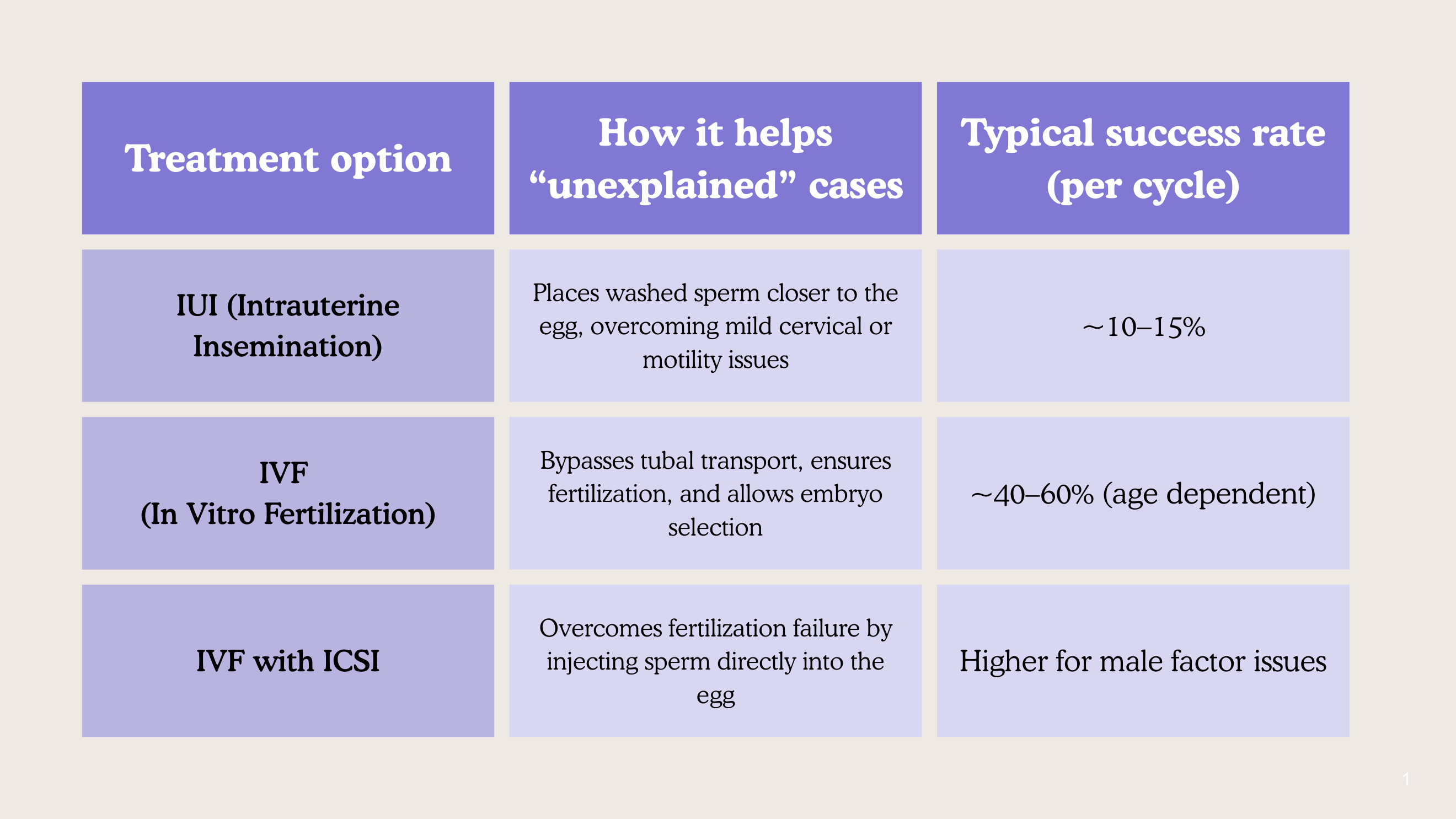
When we face unexplained infertility, we stop testing indefinitely and start treating. We use empiric treatment to bypass the likely hidden barriers that may be stopping you from conceiving.
Should I try IUI before I try IVF?
This is a personal decision based on age and timeline.
- If you are under 35: It is reasonable to try 3 cycles of IUI (medicated) to boost egg recruitment and ovulation and sperm placement.
- If you are over 35: We often recommend moving faster toward IVF. The "time to pregnancy" is shorter with IVF, and it provides answers that IUI cannot.
FAQ: Common Questions on Unexplained Infertility
Does "Unexplained" mean I will never get pregnant?No. In fact, couples with unexplained infertility have higher success rates with IVF than couples with some other diagnoses (like Diminished Ovarian Reserve). Because you likely make good eggs and have a healthy uterus, the prognosis with treatment can be excellent.
Can lifestyle changes fix it?Sometimes. As we discuss in our Sperm Health 101 and Egg Quality guides, reducing oxidative stress (smoking, alcohol, toxicants) can improve egg and sperm quality enough to tip the scales back in your favor.
The Ovom Promise
"Unexplained" is a label, not a verdict. It is simply the starting line for a deeper investigation.At Ovom, we utilize AI-enhanced diagnostics and precision medicine to find the answers that standard tests missed.
Get the answers you deserve. Book a Diagnostic Consultation with us today.
.jpg)





.jpg)
.png)
%20(1).jpg)





%20(1).jpg)


