



Clinical Takeaways
- Prevalence: Male factor contributes to 40–50% of infertility cases.
- Regeneration Time: Spermatogenesis (the process of creating sperm) takes ~72–90 days; lifestyle changes therefore take 3 months to show results.
- Key Metrics: Concentration (≥16M/ml), Progressive Motility (≥30%), and Morphology (>4%).
- Hidden Risks: DNA Fragmentation can cause miscarriage even with normal sperm counts.
In my years of working in IVF clinics, I have observed a consistent pattern. A female patient will arrive for a consultation, armed with folders of data, tracking her cycle, hormones, and nutrition. Often, she assumes the "blame" for conception delays lies solely with her.
It is time we modernize this narrative.
Reproductive medicine is a biological dialogue between two individuals. Current global data indicates that male factor contributes to approximately 40–50% of all infertility cases. Yet, the male partner is frequently the last to be evaluated.
At Ovom, we believe in concurrent care. We evaluate the couple as a whole unit from day one. Here is the medical reality of sperm health, broken down by science.
The Physiology: How Long Does It Take to Make Sperm?
To understand how to improve fertility, we must first understand spermatogenesis, ****being ****the production and development of mature sperm. Unlike women, who are born with their lifetime supply of oocytes (eggs), men are constantly producing sperm.
It takes approximately 72 to 90 days for a germ cell to mature into a fully functional spermatozoa capable of fertilization.
Why this matters clinically:
- The 3-Month Window: The sperm you produce today reflects your health from three months ago.
- The Opportunity: Changes you implement now (diet, smoking cessation) will yield measurable improvements in your next cycle, roughly 90 days from now.
The Semen Analysis: WHO Standards vs. Optimal Fertility
When we perform a diagnostic semen analysis, we evaluate the sample against World Health Organization (WHO) 2021 criteria. However, "normal" is a statistical baseline, not necessarily the optimal target for fast conception.
Here is how we evaluate the three primary pillars:
1. Concentration (Count)
While a count of 16 million per milliliter is the "floor" for normality, higher concentrations of sperm per milliliter of semen generally increase the probability of natural conception. However, quantity of sperm cannot compensate for poor sperm health or function.
2. Motility (Movement)
Sperm need to travel through the cervix and uterus to reach the fallopian tube — a journey that is metabolically demanding (i.e. takes up a lot of energy). We assess progressive motility: sperm swimming actively and linearly (in a straight line). If sperm are stationary (asthenozoospermia), natural conception is statistically unlikely.
3. Morphology (Shape)
Morphology refers to the shape of the sperm. This metric often causes alarm. However, under medical criteria, a sample is considered "normal" if only 4% of the sperm have a perfect shape.
It is biologically normal for the majority of sperm to have defects, such as two heads or coiled tails. However, when normal forms drop below 4% (teratozoospermia), it may hinder the sperm's ability to penetrate and fertilise the egg.
Advanced Diagnostics: What is Sperm DNA Fragmentation?
Standard fertility screenings often stop at the three metrics above. However, in cases of "unexplained" infertility or recurrent miscarriage, we often need to dive deeper to figure out what is really going on.
Here, we also need to look at the genetic payload that the sperm is carrying.
Sperm DNA Fragmentation refers to breaks in the genetic material within the sperm head. A sperm cell with high DNA fragmentation may still fertilize an egg, but the resulting embryo may arrest in development (i.e., not develop properly). At Ovom, we utilize advanced diagnostics to assess DNA integrity early, ensuring we are optimizing for a live birth and a healthy baby, not just for fertilization.
3 "Silent" Lifestyle Factors Affecting Sperm
Spermatogenesis, or the production and development of mature sperm, is a high-energy process that is highly sensitive to environmental toxins.
1. Thermal Stress (Scrotal Hyperthermia)
Testicular function is optimal at 1–2°C below core body temperature. If the testicles are kept at too high a temperature, this can affect sperm function and health.
- The Science: Prolonged heat exposure induces oxidative stress and apoptosis (cell death) in sperm cells.
- The Advice: Limit sauna use, hot tubs, and prolonged cycling if you are actively trying to conceive.
2. Oxidative Stress (Smoking)
Tobacco smoke introduces free radicals that directly damage sperm DNA.• The Science: Studies consistently show smokers have lower counts and higher DNA fragmentation.
- The Advice: Quitting smoking is the single most effective medical intervention to improve male fertility.
3. Anabolic Steroids & Testosterone
Exogenous testosterone (TRT) signals the brain to shut down natural sperm production, often leading to azoospermia (zero sperm count).
- The Advice: If you are on TRT, disclose this immediately so we can manage a recovery protocol.
FAQ: Common Questions on Male Fertility
Can sperm quality really be improved?
Yes. Because sperm regenerates every 72–90 days, lifestyle interventions (antioxidants, cooling, smoking cessation) can significantly improve count and DNA integrity in as little as three months.
Does frequent ejaculation lower sperm count?
For most men, no. In fact, for men with high DNA fragmentation, frequent ejaculation (every 24–48 hours) may actually improve quality by reducing the time sperm sit in storage accumulating oxidative damage.
What supplements improve sperm health?
Evidence supports the use of antioxidants to reduce oxidative stress. Key nutrients include Coenzyme Q10 (CoQ10), Zinc, Selenium, and L-Carnitine. Always consult a specialist before starting a regimen.
The Path Forward
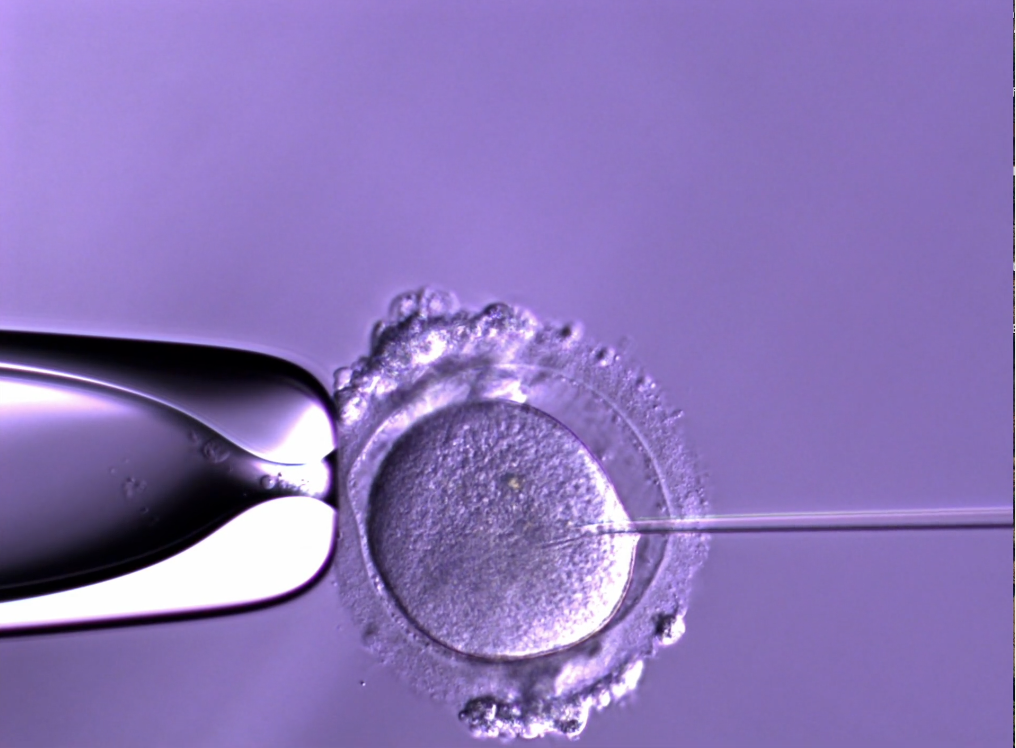
Infertility is a medical condition, not a failure of masculinity. The vast majority of male factor issues can be managed, whether through lifestyle modification, medical treatment, or advanced lab technologies like ICSI.
If you are planning to conceive, I recommend a semen analysis early. It is a non-invasive diagnostic that provides clarity.
Book a Semen Analysis with us at Ovom today.




.jpg)
.png)
%20(1).jpg)





%20(1).jpg)
.png)


