



Clinical Takeaways
- The Timeline: The "Two-Week Wait" is actually closer to 9–12 days for a Day-5 Blastocyst transfer.
- The Biology: Implantation is not instant. The embryo typically begins to implant 1–3 days after the transfer procedure.
- The Medications: Most "pregnancy symptoms" felt during this time (bloating, breast tenderness) are actually side effects of Progesterone support, not necessarily signs of success.
- The Golden Rule: Avoid home pregnancy tests until your official beta human chorionic gonadotropin (hCG) blood test. Early testing may lead to "False Negatives" (testing too soon) or "False Positives" (detecting the hormones from the trigger shot).
The IVF process is physically demanding, but the Two-Week Wait can often psychologically be the hardest part.
For weeks, you have been in daily contact with your clinic — monitored, scanned and updated. Then, you’re sent home with an embryo on board.
It is natural to analyze every twinge, cramp, and spot. The temptation to consult Dr. Google is strong, but at Ovom, we believe anxiety is often caused by a lack of information.
To help you navigate these 14 days, here is the exact biological timeline of what is happening inside your uterus after a Day-5 Blastocyst Transfer.
Plus, with the Ovom Patient App, your personal Care Coordination Team will always just be one quick message away.
.png)
The Biological Timeline: Day by Day
Note: This timeline assumes a standard Day-5 Blastocyst transfer. If you had a Day-3 transfer, shift this timeline back by roughly two days.
Day 0 - Transfer Day
What is happening to the embryo? The embryo is floating freely in the uterine cavity. It is a blastocyst — the most advanced type of embryo.
What might you feel? Mild cramping may occur from the catheter that was used to transfer the embryo during your transfer procedure; spotting can also be normal. If you are at all concerned, get in touch with your care team.
Day 1
What is happening to the embryo? The blastocyst breaks out of its outer shell (zona pellucida), in a process called “hatching”.
Day 2-3
What is happening to the embryo? In a process called “attachment”, the embryo makes contact with the uterine lining (endometrium) and begins to attach to it.
What might you feel? Some patients report "twinges" or light spotting (implantation bleeding), but experiencing no symptoms is also normal.
Day 4-5
What is happening to the embryo? In a process called “invasion”, the embryo burrows deeper into the uterine lining. The cells that will become the placenta start producing human chorionic gonadotropin, or hCG for short (the pregnancy hormone).
Day 6-8
What is happening to the embryo? As the embryo grows, hCG levels rise (the pregnancy hormone), signaling the body to sustain the endometrium. The embryo is now firmly implanted.
Day 9-12
What is happening to the embryo? Now, hCG levels (the pregnancy hormone) may be high enough to detect in the blood via a blood test. It is at this point that we will schedule your beta hcG test to test for pregnancy.
The "Progesterone Trap": Why Symptoms Can Be Misleading
To support the pregnancy, you will have been taking progesterone (injections or suppositories). Progesterone is normally made by the remaining cells in the follicle after ovulation, called the corpus luteum. The reason we give patients supplemental progesterone is to support early pregnancy.
‘Progesterone’ via the corpus luteum literally means ‘support for the pregnancy’ in Latin, and this hormone helps until the placenta takes over at around 7 weeks gestation.
Supplemental progesterone does many things, including changing your immune system to support a pregnancy, as well as keeping the endometrium ready to accept blastocyst implantation, and nurturing it all while then transforming to become the decidua — which is the specialized endometrium (uterine lining) of pregnancy that won’t shed until after you deliver a baby (Footnote 1).
Therefore, side effects of progesterone can mimic early pregnancy. You may feel:
- Breast tenderness
- Bloating / Nausea
- Fatigue
- Mood swings
- Absence of menstruation
Every body is different, so you may or may not experience symptoms with progesterone supplementation, and it has nothing to do with whether you are actually pregnant or not.
The Rules of Engagement: Dos and Don'ts
Successful implantation and a positive pregnancy depends on the complex interaction of the blastocyst with the endometrium (uterine lining). So, at this point, nature is in charge and stressing does not help — it can only hurt.
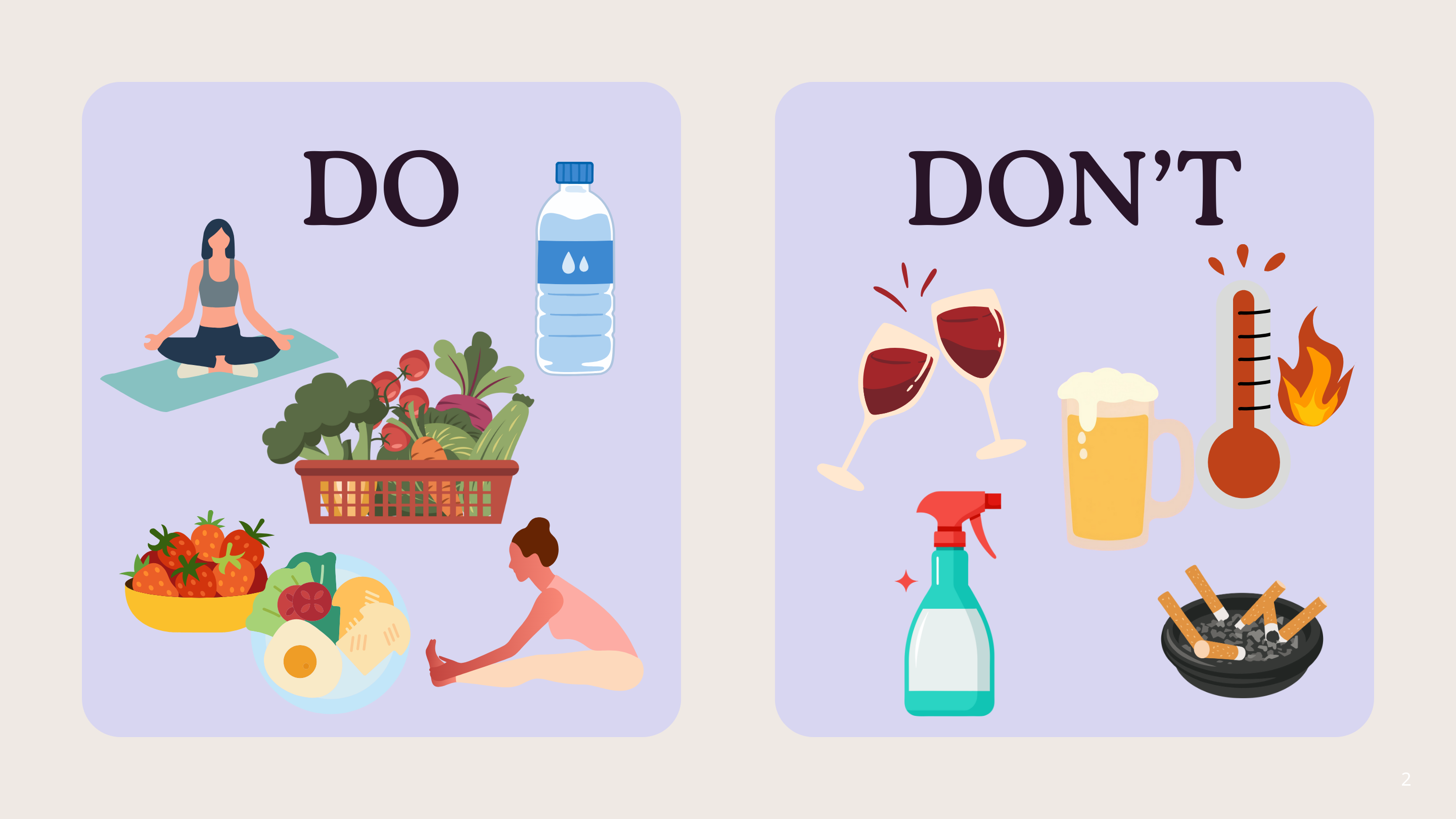
DO:
- Keep Moving: Blood flow is good for the uterus. Walking, gentle yoga, and normal daily activities are encouraged.
- Take Your Meds: Never stop your progesterone and/or estrogen unless instructed, even if you start bleeding. Bleeding can be common in early pregnancies.
- Eat Well: There is no magic "implantation diet" (despite what TikTok says about pineapple cores). A balanced diet rich in fruit, vegetables, complex carbohydrates is always best.
DON'T:
- Heat Exposure: Avoid saunas, hot tubs, or very hot baths. Raising your core body temperature above 38°C can be harmful to early development of the embryo.
- Avoid Toxic Exposures: During this window, behave as if you are pregnant. Avoid alcohol, cigarettes, recreational drugs, fumes from household cleaners and chemicals.
The Next Step
Whether the result is positive or negative, we will be there.
- If Positive: We monitor you closely for the first ultrasound.
- If Negative: We will discuss with you and support you regarding your next step based on the outcome
You have done the hard part. Now, breathe. We’re with you all the way.
Want to start your fully-supported journey? Book a Consultation.

Footnotes:
1. Kolatorova L, Vitku J, Suchopar J, Hill M, Parizek A. Progesterone: A Steroid with Wide Range of Effects in Physiology as Well as Human Medicine. Int J Mol Sci. 2022 Jul 20;23(14):7989. doi: 10.3390/ijms23147989. PMID: 35887338; PMCID: PMC9322133).





.jpg)
.png)
%20(1).jpg)




%20(1).jpg)
.png)


